
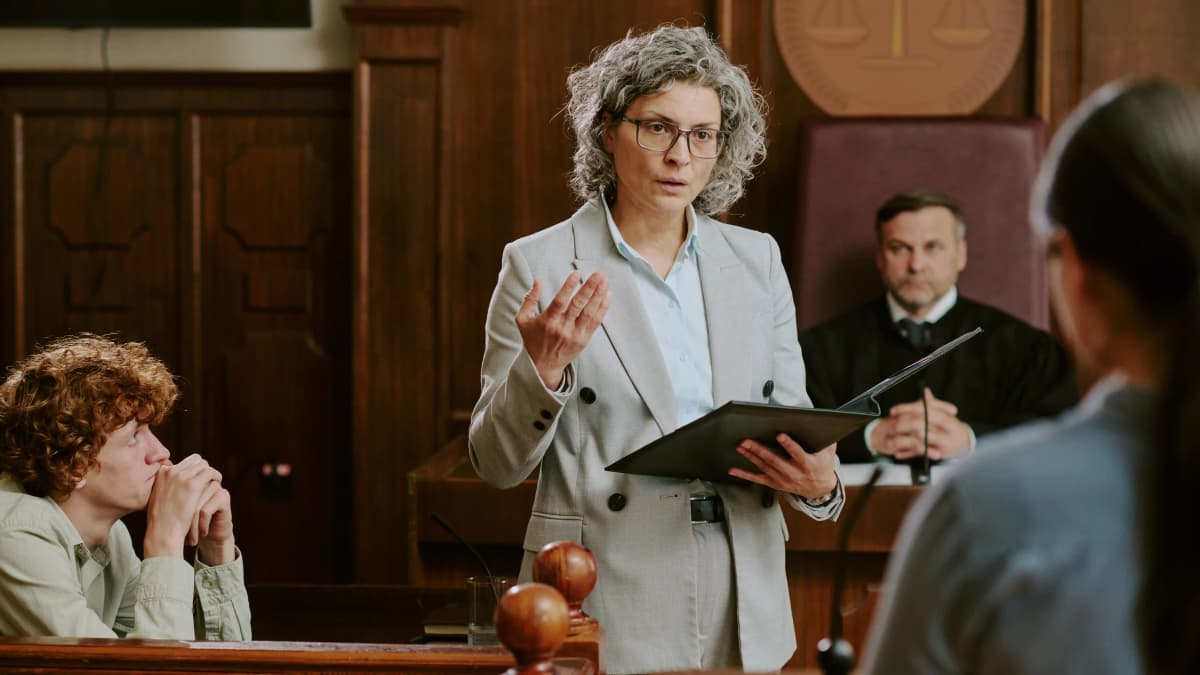
How to Make Objections, Preserve the Record, and Avoid Common Mistakes
Deposition objections serve a specific procedural purpose. They preserve issues for later review, protect privileged information, and help keep the transcript usable for motions, trial preparation, impeachment, and trial objections. They are not meant to coach the witness, interrupt the examination, or create an argument between counsel.
For attorneys preparing to take or defend a deposition, the rules can be easy to misapply. Some objections must be made during the deposition, or they may be waived, a critical point to remember in effective civil litigation. Other objections can wait until the trial. Instructions not to answer are allowed only in limited situations, and an improper instruction can create a record problem when the court later reviews the transcript.
This guide explains how deposition objections work under the Federal Rules of Civil Procedure, how form objections differ from privilege objections, when a witness may be instructed not to answer, and how key state rules in California, Illinois, Texas, and Washington address common issues in deposition objections.
The Federal Rule: FRCP 30(c)(2)
The main federal rule for deposition objections is Federal Rule of Civil Procedure 30(c)(2). The rule says an objection made during a deposition must be noted on the record, but the examination still proceeds. The testimony is taken subject to the objection.
In practice, this means most objections do not stop the witness from answering. Counsel states the objection, the court reporter records it, and the witness should generally answer the question unless a valid ground exists for an instruction not to answer.
Rule 30(c)(2) also controls the manner of the objection. The objection must be concise, nonargumentative, and nonsuggestive. That rule is aimed at preventing speaking objections. A proper objection preserves the issue without telling the witness what to say.
A proper objection may sound like this:
“Objection, form.”
A problematic objection may sound like this:
“Objection, form. The question assumes facts that have not been established, and you should only answer if you personally know that happened.”
The second version does more than object. It signals a path for the answer. That is the type of objection Rule 30(c)(2) is designed to prevent.
What Are Some Common Objections?
Form Objections
A form objection challenges the way a question is asked. It does not usually challenge the subject of the testimony.
Common form objections include:
Vague
Ambiguous
Compound
Argumentative
Calls for speculation
Misstates prior testimony
Assumes facts not in evidence
Asked and answered
Calls for a narrative
Leading, when improper
Form objections are usually made during the deposition because many defects can be fixed immediately. If a question is compound, counsel can split it into two questions. If a question is vague, counsel can rephrase it. If the objecting attorney stays silent, the objection may be waived.
Federal Rule of Civil Procedure 32(d)(3)(B) addresses waiver for certain deposition objections. It provides that an objection to an error or irregularity during an oral deposition may be waived if the issue could have been corrected at the time and the objection was not timely made.
This includes objections involving the manner of taking the deposition, the form of a question or answer, the oath or affirmation, a party’s conduct, and similar correctable issues. In practical terms, if a question is vague, compound, ambiguous, or otherwise defective in form, counsel should object during the deposition so the issue is preserved.
Speaking Objections
A speaking objection is an objection that goes beyond the legal basis and suggests an answer, explains testimony, argues with opposing counsel, or warns the witness.
Examples include:
“Objection, form. Do not guess.”
“Objection, vague. Only answer if you remember the exact date.”
“Objection, assumes facts not in evidence. You already testified that you were not there.”
“Objection, calls for speculation. The witness cannot know what the manager intended.”
These may look like objections, but they also guide the witness, especially when relevance objections are at play. That creates risk. The transcript may show coaching rather than a proper record objection.
A better practice is to state the objection concisely. If opposing counsel asks for the basis, respond with a brief legal ground, such as “compound,” “vague,” or “calls for speculation.” The explanation should not include commentary on the facts or the witness’s expected answer.
Privilege Objections
Privilege objections are different from form objections because they protect information from disclosure. Common privilege issues include the attorney-client privilege, work-product protection, settlement communications, privacy rights, trade secrets, and constitutional concerns.
If a question seeks privileged information, counsel should object on the record and state the basis of the privilege without disclosing the protected communication. For example:
“Objection. Attorney-client privilege. I instruct the witness not to answer.”
That instruction may be proper because Rule 30(c)(2) allows an instruction not to answer when necessary to preserve a privilege.
Counsel should avoid using privilege as a broad shield for difficult questions. A privilege objection should identify a recognized protection. It should not be used merely because the question is uncomfortable, unfavorable, or outside counsel’s preferred line of testimony.
When Can a Witness Refuse to Answer?
Under FRCP 30(c)(2), a person may instruct a deponent not to answer only for three reasons:
1. To preserve a privilege.
2. To enforce a limitation ordered by the court.
3. To present a motion under Rule 30(d)(3).
Rule 30(d)(3) allows a party or deponent to seek court intervention if the deposition is being conducted in bad faith or in a manner that unreasonably annoys, embarrasses, or oppresses the deponent or party.
This is a narrow remedy. In federal practice, a witness usually cannot refuse to answer just because counsel believes the question is irrelevant, repetitive, or inadmissible at trial. In most situations, the attorney should object on the record and allow the answer.
Preserving Objections Versus Waiving Objections
The main preservation question is whether the issue could have been corrected during the deposition.
If the problem is the form of the question, counsel should object during the deposition. A form defect can usually be corrected by rephrasing.
If the issue is trial admissibility, the objection may be raised later. A question may seek information that is discoverable but not admissible at trial. In that situation, counsel can often wait until the deposition testimony is offered in court.
Privilege requires immediate attention. If privileged information is disclosed without objection, waiver concerns may arise. Counsel should object before the witness reveals protected information.
A practical framework is:
Object immediately to form defects.
Object immediately to protect privilege.
Do not instruct the witness not to answer unless a rule permits it.
Preserve trial admissibility objections for later when the rule allows.
State Rule Variations of Deposition Objections
Deposition objection practice varies by jurisdiction. Federal practice is a useful starting point, but state rules may use different wording or impose different limits.
California
California’s deposition objection rule is Code of Civil Procedure § 2025.460. It states that privilege and work-product protection are waived unless a specific objection is made in a timely manner during the deposition.
The statute also provides that errors and irregularities that might be cured if promptly raised are waived unless a specific objection is made in a timely manner. This includes issues with the manner of taking the deposition, the oath, attorney conduct, witness conduct, deposition officer conduct, and the form of questions or answers.
Deposition objections in California related to competency, relevance, materiality, or admissibility at trial are unnecessary during the deposition and are not waived by failure to make them at that time.
Illinois
Illinois addresses deposition objections in Supreme Court Rule 206 and Supreme Court Rule 211.
Rule 206(c)(3) states that deposition objections must be concise and must state the exact legal nature of the objection. The committee comments state that the rule was added to eliminate speaking objections.
Rule 211 addresses waiver. Objections to the form of a question or answer, the manner of taking the deposition, the oath, and conduct during the deposition are waived unless seasonably made during the deposition when the defect could have been corrected at that time.
Texas
Texas uses a more specific objection structure. Under the current Texas Rules of Civil Procedure, Rule 199.5(e) limits objections to deposition questions to “Objection, leading” and “Objection, form.” Objections to testimony are limited to “Objection, non-responsive.”
Texas Rule 199.5(e) also states that argumentative or suggestive objections or explanations waive the objection and may support sanctions. Rule 199.5(f) limits instructions not to answer to situations involving privilege, a court order, the rules, an abusive or misleading question, or the need to obtain a ruling under Rule 199.5(g). Rule 199.6 permits a hearing on an objection or privilege issue tied to an instruction not to answer or suspension of the deposition.
Washington
Washington Civil Rule 30 sets out detailed rules governing the conduct of depositions. CR 30(h)(2) permits only objections that are not reserved for trial, objections based on privilege, or objections to questions seeking information beyond the scope of discovery. The rule also states that objections must be concise and must not suggest or coach answers.
CR 30(h)(3) states that instructions not to answer are improper except when based on privilege or Rule 30(d). CR 30(h)(5) also limits private conferences with the deponent during the deposition or between a question and answer, except to determine whether privilege exists.
Common Deposition Objection Mistakes to Avoid
One common mistake is objecting too often. Unnecessary objections make the transcript harder to use and may suggest obstruction.
Another mistake is using a form objection to coach the witness. Counsel should state the objection, not explain the desired answer.
A third mistake is instructing a witness not to answer for the wrong reason. Relevance alone usually does not justify that instruction in federal practice.
A fourth mistake is failing to object to form. If the defect could have been fixed during the deposition, silence may waive the issue.
A fifth mistake is going off the record when the dispute should be preserved. If the court may need to review the issue later, the transcript should show the question, the objection, any instruction, and the answer or refusal to answer.
Prepare Your Case with the Experts at NAEGELI Deposition & Trial
Deposition objections work best when they are timely, short, and tied to the governing rule. They protect the record without interfering with testimony or coaching the witness. They also help create a transcript that can be used later without unnecessary disputes about what happened, so you can better protect your client.
For attorneys and litigation teams that need court reporting, legal videography, remote deposition support, or transcription services, NAEGELI Deposition & Trial provides client services from scheduling through transcript delivery.
Connect with a specialist by calling (800) 528-3335 or emailing schedule@naegeliusa.com. Click “SCHEDULE NOW” or use the live chat to talk with us about helping your law firm prepare a case for litigation.
Frequently Asked Questions About Deposition Objections
Can you object during a deposition?
Yes. In federal practice, FRCP 30(c)(2) allows objections during a deposition, but the objection must be noted on the record, and the testimony usually proceeds subject to the objection.
The objection should be concise, nonargumentative, and nonsuggestive. If a valid ground exists for instructing the witness not to answer, counsel should state that basis on the record.
What is a form objection?
A form objection challenges the manner in which a deposition question is asked. Common examples include vague, ambiguous, compound, argumentative, calls for speculation, and assumptions of facts not in evidence.
Form objections are often made during the deposition because the question can usually be corrected at that time. If counsel does not object, the issue may be waived.
When can a witness refuse to answer a deposition question?
In federal practice, a witness may be instructed not to answer only when necessary to preserve a privilege, enforce a court-ordered limitation, or present a motion under FRCP 30(d)(3).
A witness usually should not refuse to answer only because a question is irrelevant, unfavorable, or likely inadmissible at trial. State rules may vary, so counsel should check the governing rule and any court order.