

The choice between a judge and a jury shapes how a case is built long before trial begins. It affects discovery, deposition planning, motion practice, witness preparation, exhibit order, settlement leverage, and the way proof is presented in court.
A bench trial versus jury trial analysis starts with one question: Who should decide disputed facts? In a jury trial, jurors usually decide the facts and return the verdict. In a bench trial, the judge decides disputed facts and applies the law. That shift can change the entire trial strategy.
The better format depends on the claims, defenses, venue, judge, jury pool, evidence, budget, timing, and client goals. A contract dispute with dense records may call for a different plan than a severe injury case, an employment dispute, a medical malpractice case, or a product liability claim with strong emotional evidence.
Bench Trial vs. Jury Trial: The Main Difference
A bench trial is a trial before a judge without a jury. The judge hears testimony, reviews exhibits, rules on objections, weighs credibility, and enters findings or judgment. The same person controls the procedure and decides what the facts prove.
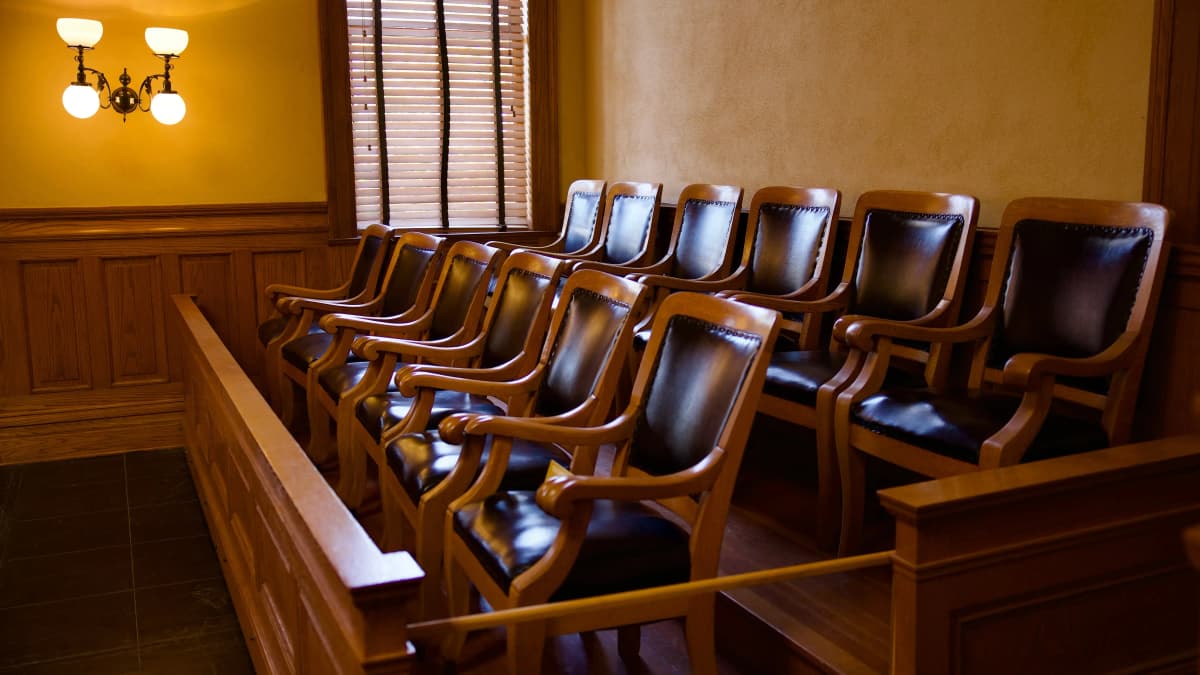
A jury trial places disputed facts before jurors. The judge still controls procedure, evidence rulings, jury instructions, verdict forms, and legal issues. The jury decides what happened, who was credible, and how the verdict should be entered under the court’s instructions.
In federal civil cases, the Seventh Amendment preserves the right to a jury trial in many suits at common law. According to Federal Rule of Civil Procedure 38, a party generally must demand a jury trial no later than 14 days after the last pleading directed to the issue is served, and a party waives that right if the demand is not properly served and filed. According to Federal Rule of Civil Procedure 39, when a jury trial has been demanded under Rule 38, the case must proceed as a jury action unless the parties stipulate to a nonjury trial or the court finds no federal right to a jury trial on some or all issues.
How the Finder of Fact Changes Trial Strategy
The finder of fact is the person or group that decides what facts were proven. In a jury trial, the jury usually fills that role. In a bench trial, the judge does. The role of the finder of fact changes how lawyers frame the evidence.
Jurors usually need a direct story. They may hear the dispute for the first time during opening statements. A strong jury presentation often uses plain themes, careful sequencing, visual proof, and witnesses who can explain technical points without losing the room.
Judges are trained to work through rules, elements, documents, and objections. A bench trial may allow counsel to spend more time on contract language, data, regulatory history, accounting records, causation disputes, or damages methodology.
The format also changes the value of trial support. In a jury trial, synced video, exhibit callouts, deposition clips, and visual timelines can help jurors follow the proof. In a bench trial, accurate transcripts, deposition designations, exhibit indexes, and real-time access can help counsel cite the record without delay.
The Nuclear Verdict Factor
Nuclear verdicts have changed how many litigation teams discuss trial format. The term often refers to unusually large jury awards that exceed ordinary expectations for the value of a case. Marsh describes nuclear verdicts as outsized jury verdicts tied to social inflation, where insured claim costs rise above general economic inflation.
Defense teams may consider bench trials when they believe juror anger, community sentiment, corporate distrust, or venue trends could increase the risk of a verdict. A bench trial does not remove risk. A judge can still award significant damages when the proof supports them.
The question is focused: Would the case be better assessed by a judge trained to work through legal standards, causation issues, technical evidence, and categories of damages? Or does the case depend on human impact, credibility, safety choices, and conduct that jurors may evaluate more fully?
Nuclear verdict concerns should be one part of the review. Venue trends, judge history, jury pool research, likely evidentiary rulings, settlement posture, damages proof, and appeal issues also belong in the discussion.
When a Bench Trial May Make More Sense
A bench trial may be the better option when the case turns on technical proof, legal standards, contract interpretation, insurance coverage, accounting records, patent issues, or dense document comparisons. A judge may be better suited to sort through layered records and apply detailed legal tests.
A bench trial can also help when emotion may distract from the issues the court must decide. Some disputes involve sympathetic facts on both sides, allegations of misconduct that can inflame the room, or damages narratives that may overshadow admissible evidence.
Efficiency can also support a bench trial. Without voir dire, jury instructions, juror scheduling, and juror management, the trial may require less time in court. Counsel may stipulate to some facts, streamline exhibits, and focus live testimony on disputed points.
A bench trial may also produce a more detailed ruling. Judges often issue findings of fact and conclusions of law, which may shape post-trial motions or appellate review. There are tradeoffs, though. One decision maker controls the outcome, and counsel loses voir dire as a tool for identifying bias and testing themes.
When a Jury Trial May Be the Better Fit
A jury trial may be stronger when the case depends on credibility, conduct, safety choices, harm, and common sense. Jurors bring varied life experiences to the evidence. In some cases, that range helps the trial team show why the conduct was unreasonable or why harm changed a person, business, or family.
Witness demeanor can carry weight. A witness who sounds evasive in a transcript may appear even less reliable in live testimony or video. A witness who is direct and grounded may connect with jurors in a way that written submissions cannot fully capture.
Some plaintiffs want jurors because the case involves accountability. Some defendants want jurors because they believe community members will reject an inflated demand, overreach, or weak causation theory. The format does not belong to one side.
Jury selection also gives lawyers useful information. Voir dire can reveal attitudes about lawsuits, corporations, government entities, medical care, insurance, employment disputes, personal injury claims, and damages. That information can shape strikes, openings, witness order, and settlement discussions.
The cost is time and uncertainty. Jury trials usually require more preparation, including jury instructions, verdict forms, demonstratives, witness examinations, exhibit presentation, juror attention, and theme discipline.
Cost, Timing, Voir Dire, and Courtroom Logistics
Court proceedings require planning, and trial format changes the workload. A jury trial usually requires more time before testimony begins. Voir dire can take hours or days, especially in high-value, high-publicity, or emotional cases. Motions in limine may also be more detailed because the court must decide what the jury may hear.
Jury trials require more coordination. Trial teams must prepare juror-friendly exhibits, demonstratives, deposition clips, witness schedules, objections, impeachment materials, and presentation technology. Court reporters, videographers, trial technicians, and litigation support teams may need to work in a tight sequence.
Bench trials can reduce some of that burden, but they do not remove the need for order. Judges still need an organized record. Counsel still needs reliable transcripts, exhibit numbers, deposition excerpts, witness outlines, and accurate citations to testimony.
Cost should be reviewed in context. A shorter bench trial may reduce court time but may require more extensive pretrial briefing, proposed findings, and document review. A jury trial may cost more to present, but it may also increase settlement pressure because the range of verdicts may be harder to predict.
Waiving a Jury Trial Requires Careful Planning
Waiving a jury is not just a scheduling preference. Counsel should review jury demand deadlines, pleadings, local rules, contract jury-waiver clauses, scheduling orders, and stipulation requirements early. A party may lose the opportunity for a jury by missing a demand deadline. A proper jury demand may also be difficult to withdraw without consent under the rules that govern the case.
Waiving a jury can affect settlement posture. One side may believe a judge is more predictable. The other may believe a jury creates leverage. The choice can influence mediation, pretrial offers, witness preparation, and valuation.
Clients should know what they gain and give up. A bench trial may offer efficiency, structure, and a more controlled presentation. A jury trial may offer broader human judgment, community perspective, and a stronger forum for credibility and harm. Neither format guarantees a safer result.
Preparing the Record for Different Formats
The best trial teams prepare the record before the format decision becomes final. Deposition transcripts, exhibits, video clips, and realtime access can shape both options. If the case moves to a bench trial, the team needs an organized record that supports proposed findings and legal arguments. If the case goes to a jury, the team needs proof that can be presented with focus and pace.
Transcript accuracy affects impeachment, motion practice, settlement review, and trial presentation. Video quality affects how deposition designations land in court. Realtime reporting can help lawyers track testimony, respond to objections, and adjust examinations while the witness is still on the stand.
Trial Support Services Can Shape Both Formats
The decision on whether to hold a bench trial or a trial by jury also affects how the litigation team uses support services. Technical cases, including medical malpractice, product liability, commercial disputes, and insurance litigation, may require court reporters who can handle dense testimony, industry-specific terminology, and lengthy exhibit records. Jury trials may place greater emphasis on video deposition services, legal videography, exhibit callouts, and trial presentation tools that help jurors follow the proof.
Timing also matters. Expedited court reporting can help counsel review testimony before motion deadlines, mediation, or trial. Legal transcription for court documents, realtime reporting, remote deposition services, and in-person deposition support can all help the team keep the record organized before court proceedings begin. For cases involving witnesses in multiple locations, nationwide deposition services can reduce scheduling pressure and help counsel preserve testimony without losing momentum.
Work With a Trial Support Team for Bench and Jury Trial Preparation
Whether the case is tried to a judge or jury, the record must be accurate, usable, and ready when the courtroom demands it. A well-organized trial presentation depends on more than an argument. It depends on transcripts, exhibits, deposition video, realtime access, and coordinated support that helps the legal team stay focused on proof.
NAEGELI Deposition & Trial supports litigation teams with court reporting, legal videography, remote deposition services, realtime reporting, transcript services, and trial presentation support. Contact NAEGELI Deposition & Trial to prepare for your next bench trial, jury trial, deposition, or courtroom presentation. Call (800) 528-3335, email schedule@naegeliusa.com, click “SCHEDULE NOW,” or use the website chat to connect with a client services specialist today.